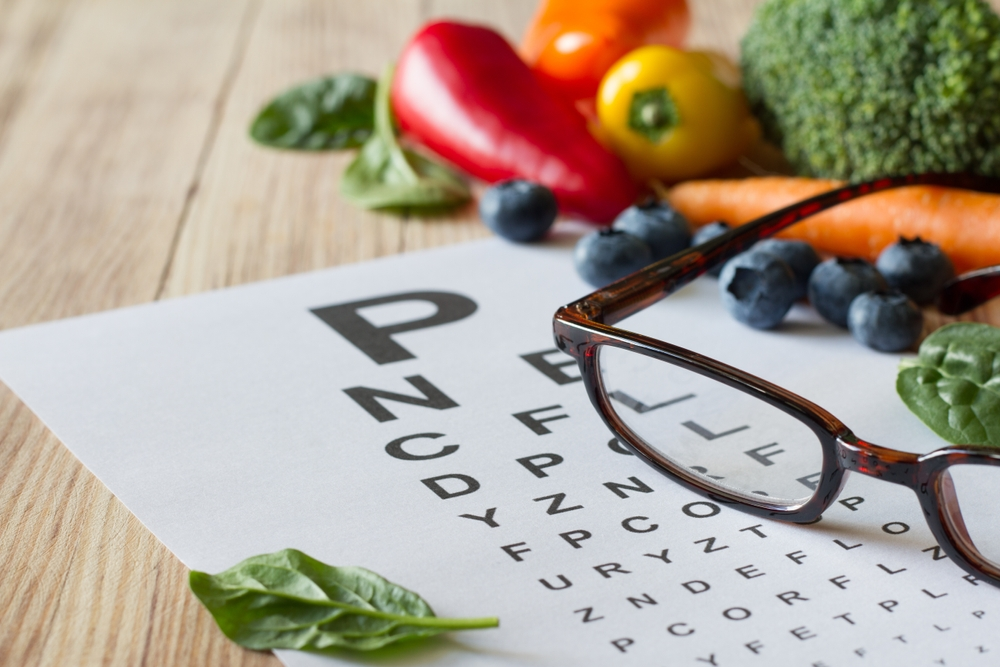
Eye Diet – What to Eat to Protect Your Vision?
Eye Diet – What to Eat to Protect Your Vision?
Vision is one of the most important senses, and its condition largely depends on lifestyle and daily habits. An eye diet can effectively support the functioning of the retina, lens, and optic nerve. Balanced nutrition allows for preventing eye diseases, improving visual comfort, and delaying degenerative processes.
The number of people complaining about vision problems is increasing year by year, often resulting from computer work and lack of proper nutrition. A diet rich in antioxidants and healthy fats can be an effective element of prevention. There's no need to immediately reach for supplements – a well-composed plate is enough.
How does diet affect eye health?
The eye is an organ with exceptionally high energy and nutrient demands. Its structures, especially the retina, are sensitive to vitamin and micronutrient deficiencies. An eye diet rich in antioxidants can protect against oxidative stress – a process responsible for the aging of eye tissues.
A properly chosen diet for healthy eyes helps stabilize intraocular pressure and reduces the risk of inflammation. Studies show that people who consume large amounts of processed food are more likely to suffer from ophthalmic ailments. On the other hand, the Mediterranean diet, rich in vegetables and fish, has a protective effect on the eyes.
The most important vitamins and minerals for vision
Vitamins for the eyes are a key element of effective prevention. Vitamin A is responsible for twilight vision. Vitamin C strengthens the blood vessels of the retina. Vitamin E protects cells from oxidative stress. Omega-3, especially DHA, improves the structure of the retina.
It's also worth paying attention to B vitamins, especially B2, B6, and B12, which support the work of the optic nerve. Selenium, copper, and manganese participate in enzymatic processes that protect the eye from damage. Long-term deficiency of these components can result in impaired adaptation to darkness and increased eye fatigue.
Foods supporting eye health
Wondering what to eat to improve vision? The best choices are: spinach, kale, arugula, broccoli, carrots, pumpkin, sweet potatoes, blueberries, bilberries, black currants, salmon, mackerel, eggs, avocado, pumpkin seeds, flaxseeds, and cold-pressed oils. Daily consumption of these products is a natural diet good for the eyes.
Many of us know that there are vegetables good for the eyes. But not only vegetables and fish, but also nuts, seeds, and legumes are valuable sources of nutrients. Regular consumption improves the elasticity of blood vessels and supports the regeneration of the eye epithelium. These products should form the basis of the daily menu.
How to prevent eye diseases through diet?
Preventing eye diseases starts in the kitchen. A diet based on fresh vegetables, fish, seeds, and healthy fats has a protective effect on the retina and lens of the eye. It also reduces the risk of dry eye syndrome, macular degeneration, or cataracts.
It's crucial to limit the intake of processed carbohydrates and trans fats, which exacerbate oxidative stress. Regular meals based on anti-inflammatory ingredients reduce the risk of retinopathy, especially in people with diabetes and hypertension. A proper diet can also support recovery after ophthalmic procedures.
Hydration and microbiota and vision
Too little fluid in the diet can exacerbate symptoms of dry eye syndrome. Hydration supports the production of the tear film and eye cleansing. It's worth drinking water, herbal teas, and eating products with high water content – e.g., cucumbers, watermelons, tomatoes.
Disorders of the gut microbiota are increasingly linked to chronic inflammatory diseases, including those within the eye. A diet rich in fiber, pickles, and fermented dairy products can improve the absorption of antioxidants and vitamins. A healthy gut flora also positively affects immune functions, which can limit inflammatory reactions in the retina.
Dietary mistakes affecting vision
Too much sugar, saturated fats, and processed foods can impair microcirculation in the eye, accelerate tissue degeneration, and cause inflammation. Common mistakes include: lack of fish in the diet, low intake of leafy vegetables, avoiding fats, excess salt, and coffee.
Improper eating habits promote the development of insulin resistance and hypertension, which further burden the eye's vascular system. Long-term adherence to a nutrient-poor diet can lead to weakened central and peripheral vision functions. Therefore, it's worth consciously eliminating harmful products from the daily menu.
Sample menu supporting vision
Breakfast: eggs with arugula and tomato, whole-grain bread with avocado spread, orange juice.
Second breakfast: natural yogurt with blueberries and pumpkin seeds.
Lunch: baked salmon, buckwheat, cooked broccoli, carrot salad with olive oil.
Afternoon snack: almonds and kiwi slices.
Dinner: kale salad with egg and flaxseed oil, rye croutons.
This is a sample diet good for the eyes, containing antioxidants, omega-3, and vitamins supporting the retina.
Such a menu can be easily modified by introducing seasonal vegetables and fruits. It's important to avoid long breaks between meals and maintain variety. Regular consumption of healthy products brings long-term benefits to the entire visual system.
Ophthalmic and dietary support in Wrocław – where to seek help?
Want to take care of your eyes comprehensively? A dietitian from Wrocław will help you with an individual nutrition plan supporting vision. Our ophthalmologist in Wrocław will assist in diagnosing and treating eye diseases such as dry eye syndrome, macular degeneration, or cataracts.
The cooperation of a dietitian and an ophthalmologist increases the effectiveness of therapy and makes it easier for the patient to implement lifestyle changes. It's an investment in the future of vision – for both young and older individuals.
FAQ
Does diet affect vision?
Yes. A properly balanced eye diet can improve visual acuity, comfort when working at a screen, and reduce symptoms of dry eyes. Long-term eating habits have a direct impact on the condition of the retina and optic nerve.
Do vegetables good for the eyes need to be eaten daily?
Definitely yes. Green leafy and orange vegetables are sources of lutein, beta-carotene, and vitamin A. They are a fundamental element of the diet for healthy eyes. Their daily consumption brings visible effects after just a few weeks.
What to eat to improve vision?
Focus on: spinach, carrots, pumpkin, blueberries, salmon, eggs, flaxseed oil, and nuts. What to eat to improve vision? Natural products rich in antioxidants. It's also good to diversify the menu with herbs and spices with anti-inflammatory effects, such as turmeric.
Can supplements replace diet?
No. Supplements can support, but a diet good for the eyes, based on natural products, is the foundation of a healthy lifestyle. Supplementation should be an addition, not the basis of nutrition.
Does drinking water affect vision?
Yes – hydrating the body improves the quality of the tear film, which reduces dryness and burning of the eyes. This is a common problem for people working at screens. Regular water intake also facilitates the transport of nutrients to eye structures.
Article written by


Izabela Rubisz
Ophthalmology specialist, winner of the Hippocrates poll in the category of Ophthalmologist of the Year 2022 in the Lower Silesian Voivodeship. Specializes in pediatric ophthalmology.

